A First Visit to a Racecourse: Make Room for the In-Between
A first visit to a racecourse feels less rushed when you leave breathing room between races to notice the crowd, course, and changing day.
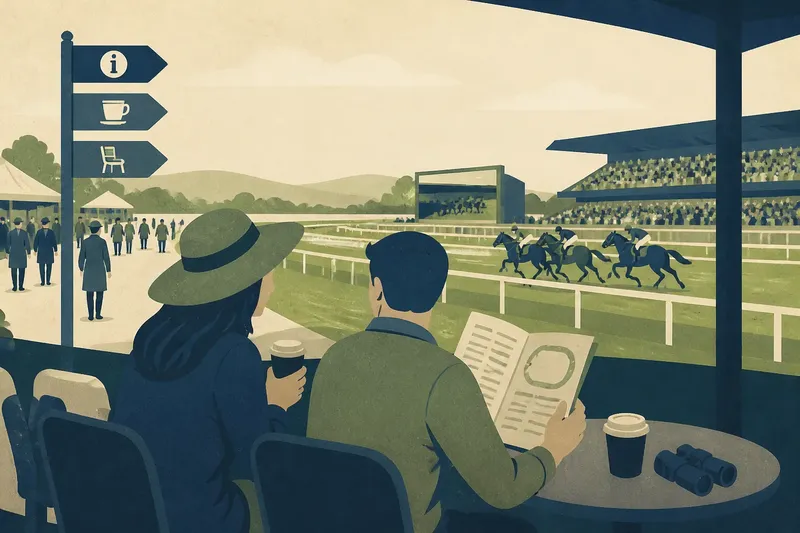
Your first visit to a racecourse can begin with a practical choice: decide where you’ll go after you enter. A quick look at the venue map can point you toward an information desk, a public meeting place, or a spot to get a drink. With that first destination in mind, the day feels easier to approach even if you don’t know the customs yet.
There’s no need to turn every gap between races into a task. A little flexibility gives you time to enjoy the setting, talk with your companions, and follow the parts of race day that interest you most.
Where should you start on your first racecourse visit?
Choose one useful first stop: the entrance you’ll use to leave, an information point, or a place where you can sit. Check the course map before you set off, then use signs or ask staff if the layout differs from what you expected.
Keep the plan modest. Trying to cover the whole venue before the first race can make arrival feel like a scavenger hunt. A familiar starting point works like a bowl by the front door: once you know where it is, you can stop searching and enjoy the rest of the room.
What can you learn from watching a race?
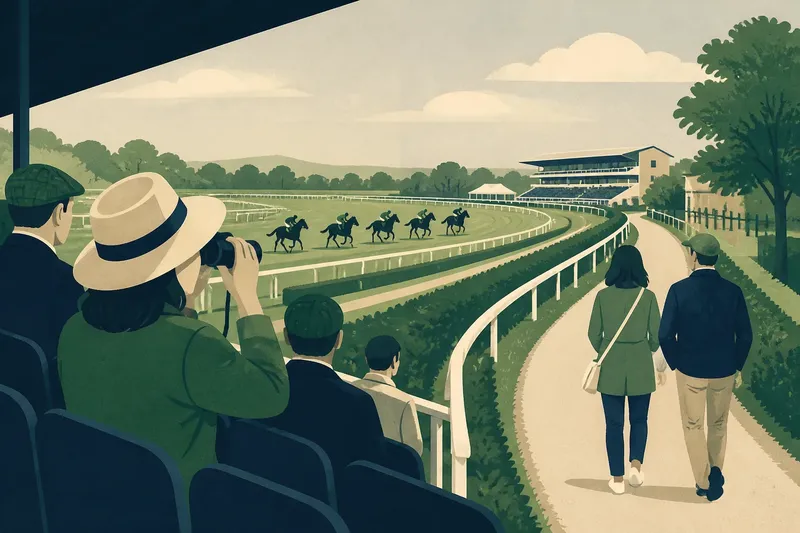
Pick a comfortable public viewing place and let the race itself orient you. Notice how the runners approach, how the announcer’s voice carries, and how people around you respond. You don’t need to understand every detail to enjoy the shared attention.
Afterward, decide what sounds appealing next: a seat, refreshments, a conversation, or another view of the course. Rather than following the largest group automatically, use the event schedule and venue signs to choose a destination that suits your own pace.
How can you make the gaps between races your own?
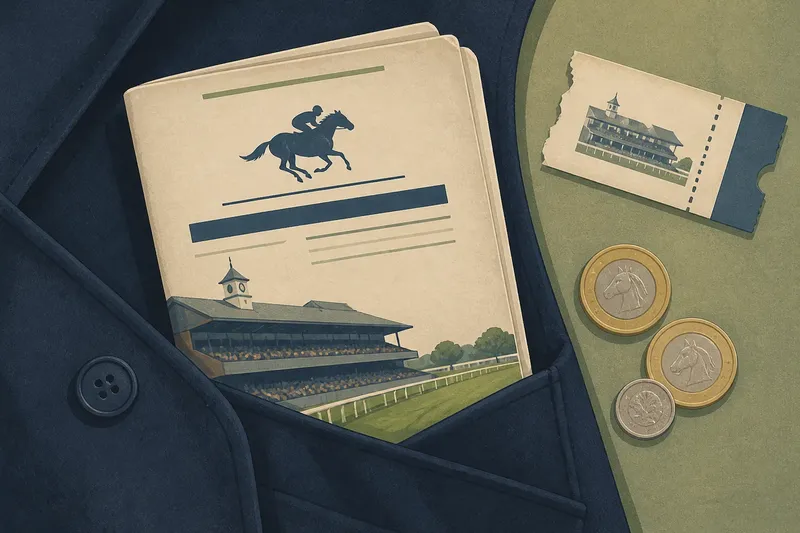
Give an interval one simple purpose, such as sitting down, getting a drink, or looking over the race card. You can also leave it open. Race day is a social occasion as much as a sequence of starts, and a quiet conversation or a short rest can belong just as naturally as cheering.
Say you and a friend have different preferences: your friend wants to discuss the next race, while you need a break from standing. You could agree to sit together near a public seating area, read the race card there, and decide afterward whether to return to a viewing spot. The observable result is a shared plan that lets you rest without giving up the chance to follow the next race.
How do you find a comfortable place to spend time?
A good spot is not always the one with the closest view. Consider whether you can hear and see comfortably, whether there is room to stand without blocking others, and whether a seat or nearby facility would make the visit easier.
- If the route to your chosen spot crosses a narrow walkway, choose a nearby open area instead; if the path is clear, proceed without stopping in the flow.
- If you cannot see the course from where you are, follow venue signs to a public viewing area; if the view works for you, stay there rather than searching for a supposedly perfect place.
- If you need a rest, look for marked seating or ask staff where it is; if no seat is available, find an open place to pause without blocking access.
- If you are unsure where to get water or refreshments, check the map or ask staff; if the nearest option is busy, choose another marked facility or wait until the crowd thins.
- If your group is splitting up, agree on a recognizable public meeting point; if that location becomes crowded, move the meeting point to a nearby sign or entrance and tell everyone.
- If weather makes your chosen area uncomfortable, check for an available sheltered public space; if none is open, adjust your plans or ask staff about suitable options.
Which first-visit questions help you plan the day?
How early should I arrive for my first racecourse visit?
Allow enough time to enter, find your bearings, and reach the place where you want to watch. Check the venue’s current visitor information and event schedule for arrival guidance, since entry arrangements vary.
What should I bring to a racecourse?
Check the venue’s rules before packing, especially for bags, food, and items that may be restricted. Comfortable footwear and clothing suited to the forecast can make a long day easier.
Do I need to know racing traditions before I go?
No. You can enjoy the atmosphere without knowing every custom or joining every cheer. If you are curious, ask a companion or venue staff about a moment you notice.
What should I do if I lose my group?
Go to the public meeting point you agreed on, or ask venue staff for help. Avoid stopping in a narrow walkway while you call or look for your companions.
How can you leave room for an unexpected favorite moment?
Keep one interval free from plans. You might use it to look over the race card, have a relaxed conversation, or simply listen as the venue settles before the next event. If you already have a plan, it is fine to change it when something else catches your attention.
For a first racecourse visit, the phrase “first visit to a racecourse” need not mean a checklist of sights to complete. Before you head home, remember one detail you enjoyed, whether it was a view of the track, a shared cheer, or an easy chat with your group. That small memory can help you decide what you’d like to do differently next time.