From Printed Card to Pocket Record
A race programme keepsake can turn a fleeting day at the course into a record of names, choices, and details worth revisiting long after the final race.
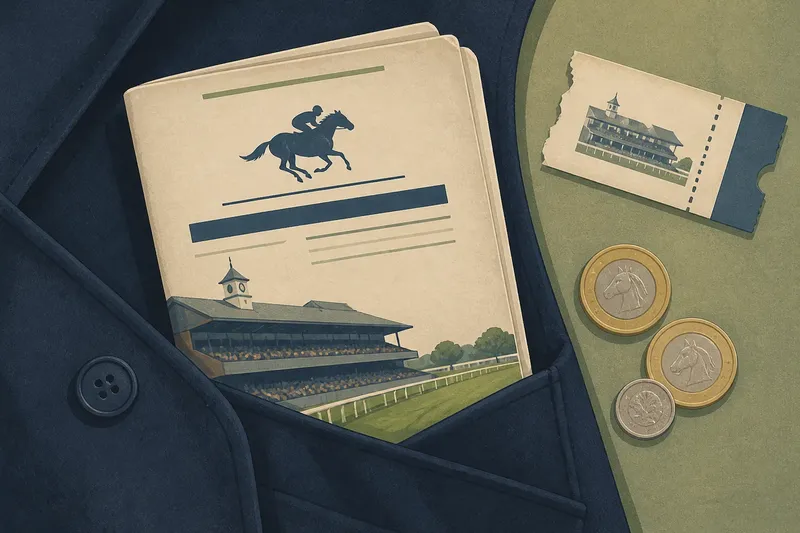
A folded race programme rides home in a coat pocket beside a ticket stub and a few coins, its corners softened by the afternoon. That small paper race programme keepsake can preserve more than a list of runners: it holds the details that help a temporary outing become a story you can revisit.
The programme’s appeal lies in its double life. At the course, it is a working companion for following the card; later, it can become a dated record of what was scheduled, what caught your attention, and who shared the day. Understanding that change—from useful print to personal memento—helps explain why an ordinary sheet of race information can matter.
What did a race programme originally do?
A race programme is designed first for the event in front of you. Its entries may identify races, horses, riders, trainers, owners, scheduled times, and other course-specific information. The exact contents vary, but the purpose is practical: give spectators a compact way to keep track of the day.
That practical role shapes the object. A programme is usually small enough to carry and arranged so readers can move from one race to the next. It may be consulted in the stands, on a course walk, or while deciding which details to follow. Unlike a souvenir made solely for display, it earns its place in a pocket by being useful at the time.
Printed programmes also make an event legible in a particular way. They gather names and order into a form that can be scanned, marked, folded, and carried. The paper acts like a kitchen calendar: ordinary while the day is unfolding, then unexpectedly evocative when you come across it again.
How did an everyday print item become a keepsake?
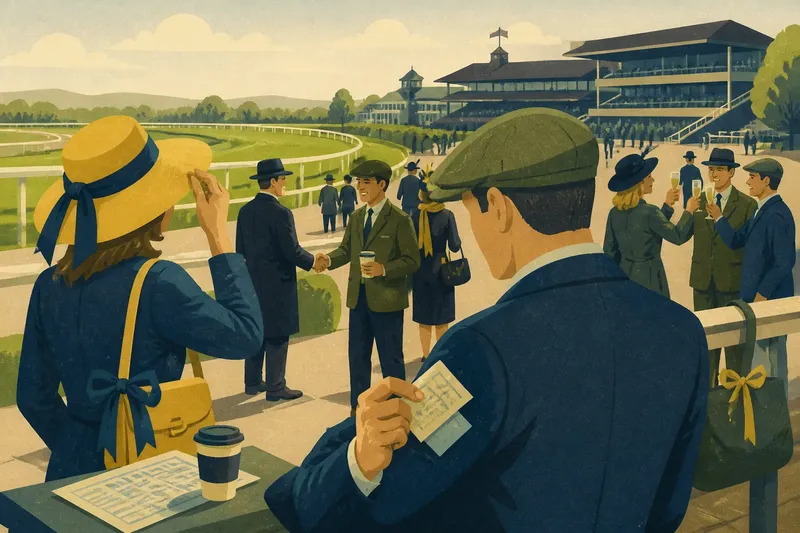
The shift often begins with a detail that feels personal. A spectator might circle a horse’s name, jot down a result, underline a race time, or mark the page where a friend’s choice appeared. Those small interventions connect the printed schedule to the person who held it.
Even an unmarked programme can become meaningful through association. It may bring back a first visit, an outing with family, a day spent in unfamiliar weather, or the atmosphere of a particular venue. Its printed content anchors the memory to a date and a sequence, while its worn edges suggest that it was actually carried through the day.
As racing venues and ways of following races have changed, printed material has remained part of the experience for many spectators, alongside announcements, screens, and digital information. Its value as a keepsake does not depend on being the only source of information. Rather, the physical copy preserves a tangible version of what the course offered at that moment.
That is the quiet appeal of the programme as a record: it does not need to narrate the whole outing. It gives memory a few reliable handles—names, order, venue, and the marks a reader chose to leave behind.
Which printed details are worth looking at again?
When you return to a programme later, its most interesting details may be the ones you barely noticed on the day. Look for elements that identify the event and show how the information was arranged, rather than expecting the paper to preserve every part of the experience.
- Venue and meeting details: These place the programme in a particular setting and help distinguish one outing from another.
- Race order and scheduled times: These recall the shape of the card, including the sequence spectators followed.
- Runner and rider names: Names can bring back a choice you made or prompt you to remember which entries drew your attention.
- Printed notes or explanatory material: A glossary, course information, or short introduction can show what the organisers considered useful to spectators.
- Your own marks: Circles, brief notes, or a folded corner may preserve a choice or a moment of interest that the printed layout alone cannot record.
Not every programme contains the same information, and a schedule is not necessarily a complete account of results or events. Treat it as evidence of what was printed for spectators, then add your own recollection where you want to capture what happened beyond the page.
How can you add memory without changing the programme?
A few unobtrusive notes can make a programme easier to understand years later. Write with a pencil in an open margin, or place a small note card beside it in storage. A date, the names of companions, and one short observation—such as “windy seats by the rail”—can supply context without turning the page into a diary.
Say you come home with a programme from an afternoon at a local course and remember that your aunt chose a runner because of its name. You could pencil her name and that reason beside the relevant entry, then add the venue and date on a separate note. Later, those details would connect the printed race to a shared moment without suggesting that the programme records more than it does.
If you prefer not to write on the original, keep a separate card or a digital note that identifies the programme. A clear link matters: include the venue, date, and any distinctive wording from the cover. A loose note with no identifying details can become just as mysterious as the memory it was meant to preserve.
Be selective. A long account may crowd the very object you want to keep, while one concrete detail can bring the afternoon back with little effort. The aim is not to document every race; it is to leave enough clues for your future self to recognize why this particular programme stayed with you.
How should you keep a race programme readable?
Start by choosing a calm, dry place away from direct sunlight, damp, and food or drink. Paper can become brittle, stained, or discolored when exposed to unsuitable conditions. For a programme you want to handle, use a clean, dry surface and avoid forcing sharp folds flat.
If the item is fragile, store it in a suitable archival sleeve or folder made for paper. Keep it flat when its condition allows, and avoid adhesive tape, sticky notes, or lamination: these can damage the printed surface or make later handling harder. For an especially valuable or delicate item, ask a paper conservator or qualified archives professional for advice.
It can help to keep programmes together by venue, year, or the people who attended with you. Choose a simple order you can remember, then add a note or divider that identifies the grouping. This turns a loose stack into a small personal collection without requiring elaborate cataloguing.
What questions come up about race programmes as keepsakes?
Is an old race programme valuable?
Age alone does not tell you what an item is worth. Condition, completeness, rarity, and interest to collectors can all matter, so seek a qualified specialist’s opinion before making a financial decision.
Should I write results on the original?
That depends on whether you value a personal working copy or an unmarked printed item. If you are unsure, keep notes separately so the programme remains unchanged.
What if my programme has no personal notes?
The printed details can still identify the meeting and preserve its planned sequence. You can add a separate dated note about who attended or what you remember without claiming that the page itself records those moments.
Can a digital programme serve as a keepsake?
A saved file can preserve information and may be easier to search, while a printed copy offers a physical object that can be handled and annotated. Keeping both is an option if each serves a different purpose for you.
Why does the programme still matter after race day?
A race programme becomes a keepsake through the meeting of public information and private memory. The printed page supplies names, order, and place; the spectator supplies attention, marks, and later recollection. Neither part has to tell the entire story.
If you keep one, make the record easy for someone else—or your future self—to understand. Pair it with a brief note that names the meeting and explains why you saved it. That small act turns a folded programme from leftover paper into a pocket record with a clear place in your racing memories.